
Maintaining a property is more than just keeping it looking neat; it’s about preserving value, preventing long-term damage, and avoiding costly repairs. Many property owners make routine mistakes during cleaning that end up costing far more than anticipated. From overzealous scrubbing to using the wrong products, small errors can lead to major issues. Here are the first six common cleaning mistakes property owners make and how to avoid them.
1. Neglecting Regular House Cleaning
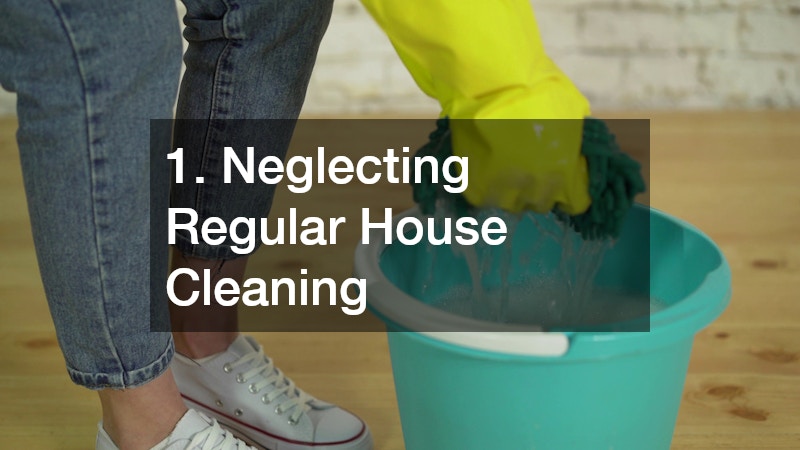
It may seem obvious, but skipping regular house cleaning can create a cascade of problems. Dust, dirt, and grime build up over time, damaging surfaces and encouraging the growth of bacteria, mold, and allergens. Waiting too long between deep cleans often means that routine tasks like vacuuming, dusting, and wiping surfaces take much longer and require harsher chemicals to get the job done.
A consistent schedule for house cleaning ensures that minor messes don’t become major headaches. Small spills on carpets can turn into permanent stains if left unchecked. Similarly, failing to wipe down counters and cabinetry allows grease and dirt to accumulate, making even basic cleaning more time-consuming. Property owners who maintain a disciplined routine often see reduced repair costs over time.
Routine house cleaning also extends the life of furniture, carpets, and appliances. Surfaces coated in dust and grime wear down faster, and appliances may operate less efficiently if filters and vents are not cleaned. By dedicating a few hours each week to basic cleaning, property owners can prevent long-term damage and maintain a more comfortable living environment.
2. Using the Wrong Products for Surfaces
Many property owners assume that any cleaning product will work on all surfaces. This misconception can lead to scratches, discoloration, and other types of permanent damage. Acidic cleaners might dull stone surfaces, while harsh abrasives can ruin laminate finishes. Understanding the correct product for each material is crucial to preserving a property’s appearance and longevity.
For kitchens and bathrooms, using the wrong products on surfaces like granite countertop or laminate can cause serious issues. Granite countertops lose their polished shine when exposed to acidic cleaners, while laminate can warp if exposed to excess water or harsh substances. Similarly, improper cleaning of wood blinds can leave streaks, cracks, or discoloration.
Many homeowners overlook labels or fail to research the safest options. Investing in surface-specific cleaners might seem more expensive initially, but the alternative—replacing damaged materials—is far costlier. Gentle, non-abrasive sprays work well for granite countertop surfaces, while a mild detergent solution is sufficient for laminate. Following manufacturer recommendations protects surfaces and reduces unnecessary replacement costs.
3. Ignoring Carpet Maintenance
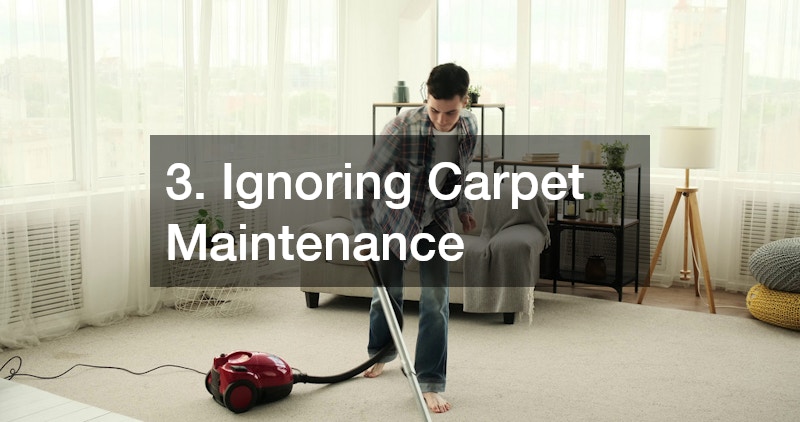
Carpets trap dust, dirt, and allergens, yet many property owners neglect routine maintenance, leading to deterioration over time. Waiting too long before hiring a professional carpet cleaning company allows dirt to embed deep into fibers, reducing carpet lifespan and making stains harder to remove.
Vacuuming alone is rarely enough. Weekly vacuuming helps maintain surface cleanliness, but professional carpet cleaning removes unseen contaminants and prevents unpleasant odors. Some homeowners make the mistake of using homemade or harsh chemical solutions, which can damage fibers and void warranties.
Proper carpet maintenance includes addressing spills promptly, rotating high-traffic rugs, and scheduling professional cleaning at least once or twice a year. Professional carpet cleaning companies use equipment designed to lift dirt without harming materials. Over time, this investment improves appearance, hygiene, and reduces the need for replacement caused by neglect.
4. Skipping Exterior Maintenance
Many property owners focus on interiors while neglecting the exterior. Dirt, algae, and mold can accumulate on siding, decks, and driveways, leading to structural damage and decreased curb appeal. Ignoring these issues can escalate repair costs, particularly when a property requires major painting or surface restoration.
Hiring a professional exterior painting company isn’t just about aesthetics; it’s about protection. Paint acts as a barrier against moisture, pests, and UV damage. Surfaces left untreated or inadequately cleaned before painting can result in peeling, blistering, and additional maintenance expenses.
Routine exterior cleaning also prevents long-term issues with siding, wood trim, and fences. Simple measures, like pressure washing or scrubbing accumulated dirt and mildew, can extend the lifespan of materials. Property owners who ignore exterior upkeep risk facing water damage, rot, and costly repainting sooner than expected. Regular maintenance and guidance from an exterior painting company help protect property value and reduce repair costs.
5. Overlooking Plumbing and Drain Care
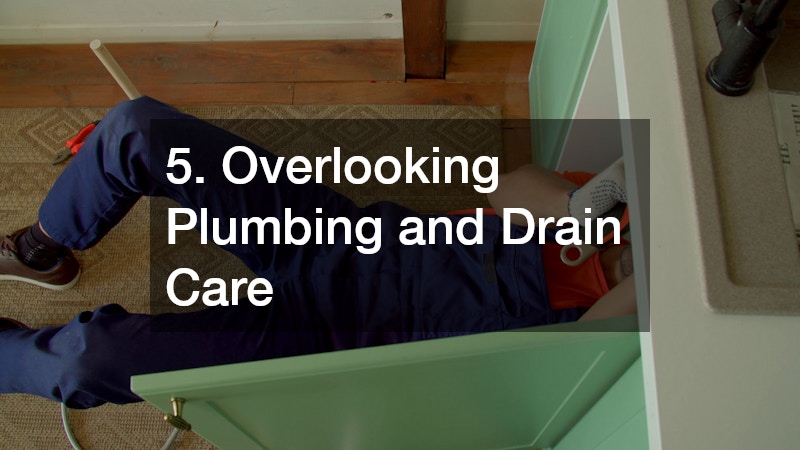
Clogged drains and neglected plumbing can quickly escalate into serious problems. Many property owners only address drains when completely blocked, but routine care prevents emergencies. Using improper products or failing to clean drains regularly allows buildup that leads to leaks, backups, and water damage.
Drain cleaners are effective for minor blockages, but overuse or misuse can corrode pipes or damage seals. Some homeowners rely exclusively on chemical solutions, when mechanical cleaning methods like plungers or drain snakes are often safer and more effective.
Routine maintenance with the right drain cleaners prevents costly repairs. Property owners should also check for slow-draining sinks or unusual odors, which often indicate deeper plumbing problems. Pairing routine drain care with annual inspections from water damage services providers ensures early detection of leaks or hidden water issues, avoiding expensive restoration projects down the line.
6. Neglecting Hardwood and Laminate Floors
Hardwood and laminate floors are popular for their durability and aesthetic appeal, but they require specific care to maintain their look and longevity. Many property owners unintentionally shorten the lifespan of these floors by using harsh chemicals, abrasive tools, or excessive water. These mistakes can lead to warping, staining, scratches, or other forms of permanent damage that are often expensive to repair. Even a small spill left unattended on laminate flooring can seep into seams and cause swelling, while abrasive cleaners or scrubbing pads can dull the finish and leave visible marks.
Laminate floors, in particular, are highly sensitive to moisture. Even brief exposure to water from mopping or spills can cause the surface to lift or separate at the seams. Similarly, dragging furniture or dropping heavy objects can chip or scratch the top layer, which cannot be refinished like hardwood. Hardwood floors, while generally more resilient, are also vulnerable to damage. Water rings from cups or wet shoes can leave permanent marks, and prolonged exposure to sunlight may cause fading or discoloration over time. Scratches and dents are common in high-traffic areas, so taking preventative measures is essential.
Routine maintenance is key to preserving both types of flooring. Sweeping or vacuuming regularly removes dust and grit that can act like sandpaper underfoot. Using gentle, pH-balanced cleaning solutions prevents chemical damage while keeping floors looking polished. Prompt attention to spills—blotting rather than scrubbing—reduces the risk of water damage. Protective measures such as area rugs in entryways, felt pads under furniture legs, and strategically placed floor protectors can significantly reduce wear and tear.
7. Ignoring Window Care
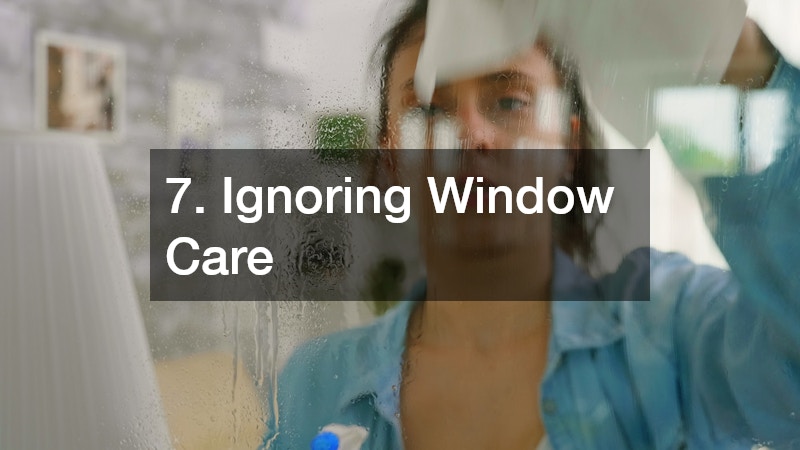
Windows often get overlooked, yet they play a crucial role in a property’s appearance, energy efficiency, and overall maintenance. Dirty or neglected windows can accumulate layers of dust, grime, pollen, and mineral deposits over time, which not only obstruct natural light but can also scratch the glass or cause long-term degradation if left untreated. Stains from hard water or environmental pollution may become increasingly difficult to remove, and minor damage can escalate into the need for costly replacements.
Proper window cleaning requires attention to both interior and exterior surfaces, as well as using the correct techniques and tools. Many homeowners make the mistake of using abrasive cloths, paper towels, or harsh chemical cleaners, which can scratch glass, damage coatings, or leave streaks that are difficult to remove. Regular maintenance should also include nearby fixtures, such as wood blinds. These can warp, fade, or discolor if exposed to excessive moisture or harsh cleaning products, so gentle dusting and manufacturer-approved solutions are essential for preserving their look and function.
Window tint is another component that requires consistent care. Using the wrong cleaning solutions or rough cloths can peel, cloud, or scratch the film, reducing energy efficiency and altering the appearance of the property. To protect both the tint and the glass, it’s best to use soft microfiber cloths and gentle, approved cleaners designed specifically for tinted windows. Regular cleaning not only maintains visibility and aesthetics but also prolongs the lifespan of the tint.
8. Mismanaging Kitchen Surfaces
Kitchens are high-traffic areas where surfaces endure spills, heat, and heavy use. Granite countertop surfaces, in particular, require careful maintenance. Using acidic or abrasive cleaners can etch the stone, while neglecting spills can stain or damage finishes. Proper cleaning involves wiping spills promptly, using soft cloths, and applying surface-specific cleaners. Avoiding harsh chemicals ensures that granite countertop surfaces remain polished and protected. Laminate surfaces are also vulnerable; excessive moisture or abrasive scrubbing can cause peeling or warping.
Many property owners underestimate the cumulative effect of daily wear and tear. Regular maintenance, combined with informed product choices, reduces the need for costly repairs or replacements. Treating kitchen surfaces with care preserves both functionality and aesthetics, supporting long-term property value and maintaining a hygienic cooking environment.
9. Forgetting Small Details
Small features like wood blinds, vents, and decorative finishes often get overlooked during cleaning. Dust, moisture, and dirt can accumulate, leading to deterioration or discoloration. Wood blinds, for example, may warp, fade, or crack if not cleaned carefully and regularly.
Property owners often neglect these details because they seem minor, but the cumulative effect is significant. Dust buildup in vents can affect indoor air quality, while ignored decorative finishes may require costly restoration. Routine attention to these areas is crucial for both aesthetics and long-term property maintenance.
Using a checklist that includes small but important details ensures no aspect of a property is neglected. Gentle dusting, proper cleaning solutions, and periodic inspection of hard-to-reach areas protect surfaces from unnecessary wear. These preventive measures save money by reducing the risk of damage that would otherwise require professional intervention.
10. Delaying Professional Services
DIY cleaning is important, but certain tasks require professional expertise. Ignoring these services can result in hidden damage that becomes costly over time. For example, water damage services providers can identify leaks or moisture problems that go unnoticed until structural damage occurs. Similarly, carpet cleaning companies offer deep cleaning that removes embedded dirt and allergens beyond what typical vacuuming achieves.
Even flooring store consultations are valuable. Laminate and hardwood floors require tailored cleaning solutions, and professional guidance ensures long-term durability. Scheduling professional services alongside regular cleaning maximizes property longevity and prevents unexpected expenses.
Property owners should view professional cleaning and maintenance as essential investments rather than optional luxuries. These services catch small problems early, maintain high standards, and protect expensive materials like granite countertop surfaces, wood blinds, and laminate flooring from premature damage or replacement.
11. Overlooking Seasonal Preparation
Seasonal changes bring unique challenges for property maintenance. In colder months, moisture can affect laminate, hardwood floors, and wood blinds. During summer, dust, pollen, and heat can impact window tint, carpets, and exterior surfaces.
Failing to adjust cleaning routines seasonally can accelerate wear and create costly problems. For instance, leaving gutters and drains uncleaned in fall increases the risk of water damage. Similarly, neglecting exterior surfaces and paintwork can lead to accelerated deterioration during harsh weather.
Property owners who plan seasonal cleaning proactively reduce risks and expenses. This includes deep cleaning carpets before winter, inspecting granite countertop and laminate surfaces for moisture issues, and scheduling water damage services if needed. Seasonal preparation also involves routine checks on drains, wood blinds, and window tint to prevent damage and maintain property value year-round.
Owning property involves more than routine upkeep; it requires a strategic approach to cleaning and maintenance. Common mistakes—from neglecting house cleaning and carpet care to delaying professional services and ignoring small details—can lead to costly repairs. Understanding how to care for different surfaces, using the right products, and investing in professional expertise ensures long-term durability and value.
Implementing disciplined cleaning routines, paying attention to small details, and planning seasonal maintenance helps property owners protect their investment. With proper care, properties remain safe, functional, and attractive, avoiding unnecessary repair costs while creating healthier, more comfortable living spaces for residents and tenants.